
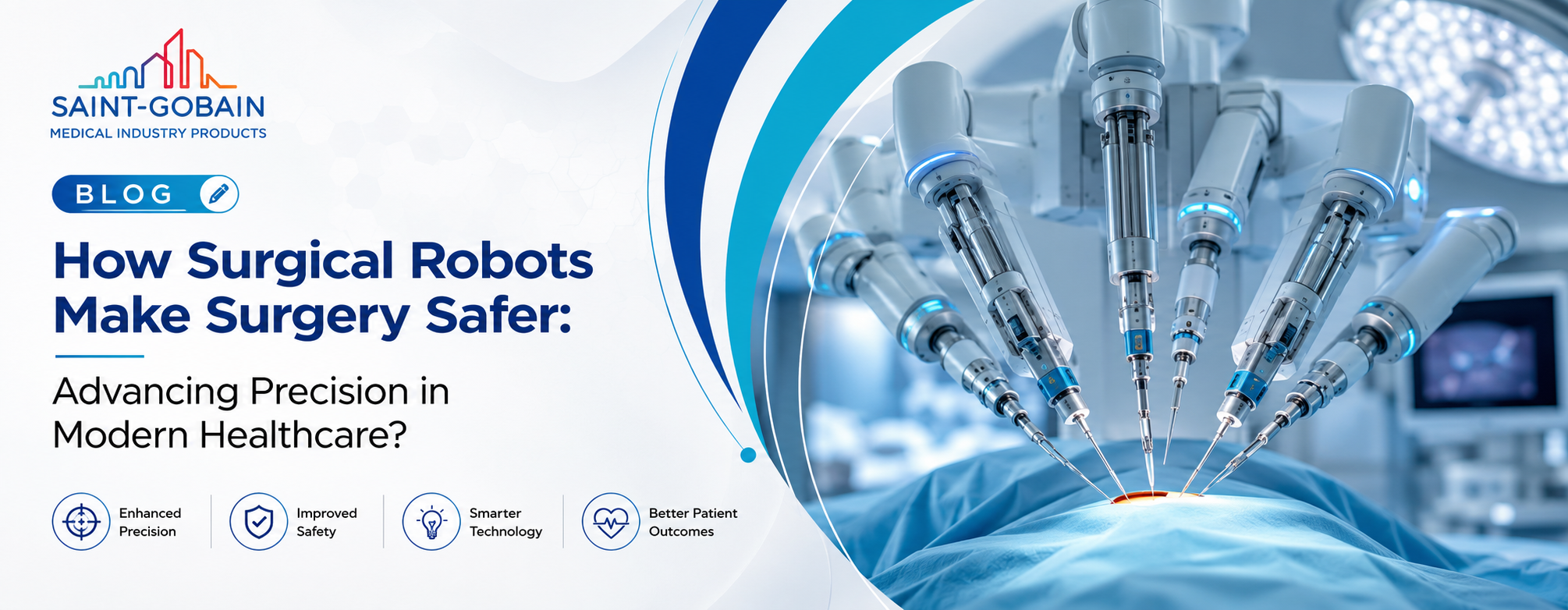
Healthcare has changed dramatically over the last two decades, and one of the biggest advancements has been the introduction of robotic-assisted surgery. These advanced surgical systems have transformed the way many complex procedures are performed by helping surgeons operate with greater precision, control, and confidence.
For any doubt & Query write us at: sales3@natronequipments.com
Despite the name, surgical robots do not perform operations on their own. Every movement is guided by a trained surgeon, while the robotic system acts as an extension of the surgeon’s hands. This combination of human expertise and advanced technology allows for greater accuracy, reduced surgical risks, and better patient outcomes.
Today, robotic-assisted surgery is used across a wide range of medical specialties, including urology, gynecology, orthopedics, cardiothoracic surgery, neurosurgery, and general surgery. As more hospitals adopt these systems, patients are benefiting from less invasive procedures, shorter recovery times, and fewer complications.
What Are Surgical Robots?
Surgical robots are computer-assisted systems designed to help surgeons perform delicate and complex procedures with exceptional precision. During the procedure, the surgeon sits at a dedicated control console and operates robotic arms equipped with specialized surgical instruments. A high-definition 3D camera provides a detailed, magnified view of the surgical area, allowing every movement to be performed with remarkable accuracy.
Rather than replacing the surgeon, the robotic system translates the surgeon’s hand movements into smaller, more controlled movements inside the patient’s body. This level of precision is particularly valuable during procedures where even the slightest movement can make a significant difference.
How Surgical Robots Improve Surgical Safety?
1) Greater Precision During Surgery
One of the greatest advantages of robotic-assisted surgery is its ability to enhance precision. Even the steadiest human hand can experience slight natural tremors, especially during lengthy procedures. Robotic systems filter out these involuntary movements, allowing surgeons to perform delicate tasks with exceptional control.
Greater precision helps protect healthy tissues surrounding the surgical site and allows surgeons to work safely around nerves, blood vessels, and other sensitive structures. This level of accuracy is especially important during complex procedures where every millimeter matters.
2) Smaller Incisions and Less Tissue Trauma
Most robotic procedures are performed using minimally invasive techniques that require only a few small incisions instead of one large opening. Because the instruments are smaller and more precise, there is less disruption to muscles and surrounding tissues.
For patients, this often means less pain after surgery, minimal scarring, reduced blood loss, and a lower risk of infection. Smaller incisions also support faster healing, allowing many patients to return to their normal routine sooner than with traditional open surgery.
3) Better Visualization for Surgeons
A clear view of the surgical site is essential for safe and accurate surgery. Robotic systems provide surgeons with a high-definition, three-dimensional view that is significantly more detailed than conventional laparoscopic imaging.
The magnified view improves depth perception and makes it easier to identify important anatomical structures such as blood vessels, nerves, and delicate tissues. With greater visibility, surgeons can make more informed decisions throughout the procedure while reducing the risk of accidental injury.
4) Improved Dexterity and Control
The robotic instruments used during surgery are designed to move with a range of motion that exceeds the capabilities of the human wrist. This added flexibility allows surgeons to perform intricate movements even in areas that are difficult to access using conventional surgical instruments.
The enhanced dexterity is particularly beneficial during procedures performed deep within the pelvis, chest, or abdomen, where precision and maneuverability are essential.
5) Reduced Surgeon Fatigue
Many complex surgical procedures can take several hours to complete. Standing for long periods while maintaining steady hand movements can be physically demanding, even for experienced surgeons.
Robotic-assisted systems allow surgeons to operate from an ergonomic console in a seated position. This reduces physical strain and fatigue, helping surgeons maintain focus and consistency throughout the procedure. Maintaining comfort during lengthy operations can contribute to better overall surgical performance.
6) Stable Instrument Movement
Natural hand tremors are unavoidable, but robotic systems are designed to eliminate their impact during surgery. The robotic instruments respond only to intentional movements, allowing surgeons to perform tasks such as suturing, tissue dissection, and reconstruction with greater stability and precision.
This level of control is particularly valuable during microsurgery and other procedures that require extremely delicate movements.
7) Easier Access to Difficult Areas
Certain parts of the human body are difficult to reach using traditional surgical techniques. Robotic arms are designed to navigate narrow spaces with remarkable flexibility, giving surgeons better access to complex anatomical regions without requiring larger incisions.
Whether operating around deep pelvic organs, cardiac structures, or delicate nerve pathways, robotic systems allow surgeons to work more efficiently while minimizing unnecessary tissue disruption.
8) Reduced Blood Loss
The combination of precise instrument control and minimally invasive techniques often leads to less bleeding during surgery. By reducing tissue damage and improving control over blood vessels, robotic-assisted procedures can help minimize blood loss throughout the operation.
Lower blood loss reduces the likelihood of blood transfusions and supports a smoother recovery after surgery.
9) Lower Risk of Surgical Complications
Every surgical procedure carries some degree of risk, but robotic-assisted surgery has been associated with fewer complications in many types of operations. Greater precision and improved visualization help reduce the chances of unintended damage to surrounding tissues, excessive bleeding, and surgical site infections.
Patients may also experience less postoperative pain and shorter hospital stays, making the overall surgical experience safer and more comfortable.
10) Faster Recovery and Better Patient Experience
One of the most noticeable benefits of robotic-assisted surgery is a quicker recovery. Because the procedure is less invasive, patients often experience reduced discomfort after surgery and require less pain medication.
Many patients are able to leave the hospital sooner and return to their daily activities more quickly compared to traditional open surgery. Faster recovery not only improves patient satisfaction but can also reduce overall healthcare costs associated with extended hospitalization.
For any doubt & Query write us at: sales3@natronequipments.com
Where Surgical Robots Are Used?
Robotic-assisted surgery has become an important part of many medical specialties. In urology, it is commonly used for prostate surgery, kidney procedures, and bladder reconstruction. Gynecologists rely on robotic systems for hysterectomies, myomectomies, and the treatment of endometriosis.
General surgeons use robotic technology for hernia repair, gallbladder removal, and colorectal surgery, while orthopedic specialists increasingly incorporate robotic assistance into knee and hip replacement procedures. Cardiothoracic surgeons use these systems for selected heart and chest surgeries, and neurosurgeons continue exploring robotic support for highly precise brain and spinal procedures.
As technology continues to advance, the number of procedures performed with robotic assistance is expected to grow across many areas of healthcare.
Benefits for Surgeons
Robotic-assisted surgery offers several advantages for surgeons beyond improved precision. Enhanced visualization, greater instrument control, and improved ergonomics allow surgeons to perform complex procedures with increased confidence. Better access to difficult anatomy and consistent instrument movement also contribute to improved surgical accuracy and more predictable outcomes.
These advantages enable surgeons to perform sophisticated procedures while maintaining a high level of precision throughout the operation.
Understanding the Limitations
- Although robotic-assisted surgery offers many benefits, it is not the right solution for every patient or every procedure.
- The technology requires significant investment, regular maintenance, and specialized training for surgical teams.
- In some cases, the preparation time for robotic surgery may also be longer than conventional techniques.
- Availability remains another challenge, particularly for smaller hospitals that may not have access to advanced robotic systems.
- Most importantly, successful outcomes depend on the experience and skill of the surgeon.
- The robotic system is a powerful tool, but it is the surgeon’s expertise that ultimately determines the quality and safety of the procedure.
- The Future of Robotic Surgery
The next generation of surgical robotics is expected to become even more advanced. Researchers are developing systems that integrate artificial intelligence, machine learning, augmented reality, and improved imaging to support surgical planning and real-time decision-making.
Future innovations may also include enhanced haptic feedback that allows surgeons to better sense tissue resistance, smaller robotic platforms for greater versatility, and remote surgical capabilities that expand access to specialized care. As these technologies mature, robotic-assisted surgery will continue to improve precision, efficiency, and patient safety.
Building Reliable Surgical Robotics Starts with Reliable Components
- Every successful robotic-assisted surgery depends on far more than advanced software and the skill of the surgeon.
- Behind every robotic surgical system is a carefully engineered combination of mechanical, electrical, and fluid handling components that work together with exceptional precision.
- The reliability of these components directly influences the performance, safety, and longevity of the equipment.
- From medical-grade tubing and precision pumps to filtration systems, connectors, fittings, and thermal management solutions, every component has a specific role in maintaining smooth and accurate operation.
- Even a small compromise in component quality can affect system efficiency, increase maintenance requirements, or reduce overall reliability.
- As hospitals and healthcare providers continue investing in robotic-assisted surgery and other advanced medical technologies, medical device manufacturers are placing greater emphasis on sourcing high-quality components from trusted suppliers.
- Reliable components not only help improve equipment performance but also contribute to long-term operational stability and easier maintenance throughout the product lifecycle.
Why Choose Natron Equipment & Spares Pvt. Ltd. (NESPL)?
At Natron Equipment & Spares Pvt. Ltd. (NESPL), we understand that modern medical equipment demands components that deliver consistent performance, reliability, and long service life.
For years, we have been supplying premium industrial and medical-grade components to OEMs, medical device manufacturers, biomedical engineering companies, healthcare institutions, and system integrators across India.
Their products are known for their durability, consistent performance, and engineering excellence, making them a preferred choice for organizations that require dependable filtration solutions.
Whether you’re designing new medical equipment, maintaining existing healthcare systems, or sourcing replacement components for specialized applications, choosing proven, high-quality products is essential for ensuring long-term performance and reliability.
At NESPL, we work closely with our customers to understand their technical requirements and recommend solutions that best suit their applications rather than simply supplying products.
Our team is committed to providing technical support, reliable sourcing, and genuine products from internationally recognized manufacturers, helping organizations build and maintain equipment that meets today’s demanding healthcare standards.
Conclusion
Robotic-assisted surgery is transforming modern healthcare by making complex procedures safer, more precise, and less invasive. As this technology continues to advance, the focus will not only remain on smarter robotic systems but also on the quality of the components that power them. Every connector, pump, filter, tube, and fluid handling solution plays an important role in supporting the reliable operation of advanced medical equipment.
At Natron Equipment & Spares Pvt. Ltd. (NESPL), we are proud to support this growing industry by supplying high-quality medical and industrial components from globally trusted brands. Our goal is to help medical equipment manufacturers, healthcare organizations, and OEMs source reliable solutions that contribute to the performance, efficiency, and longevity of modern healthcare systems.