
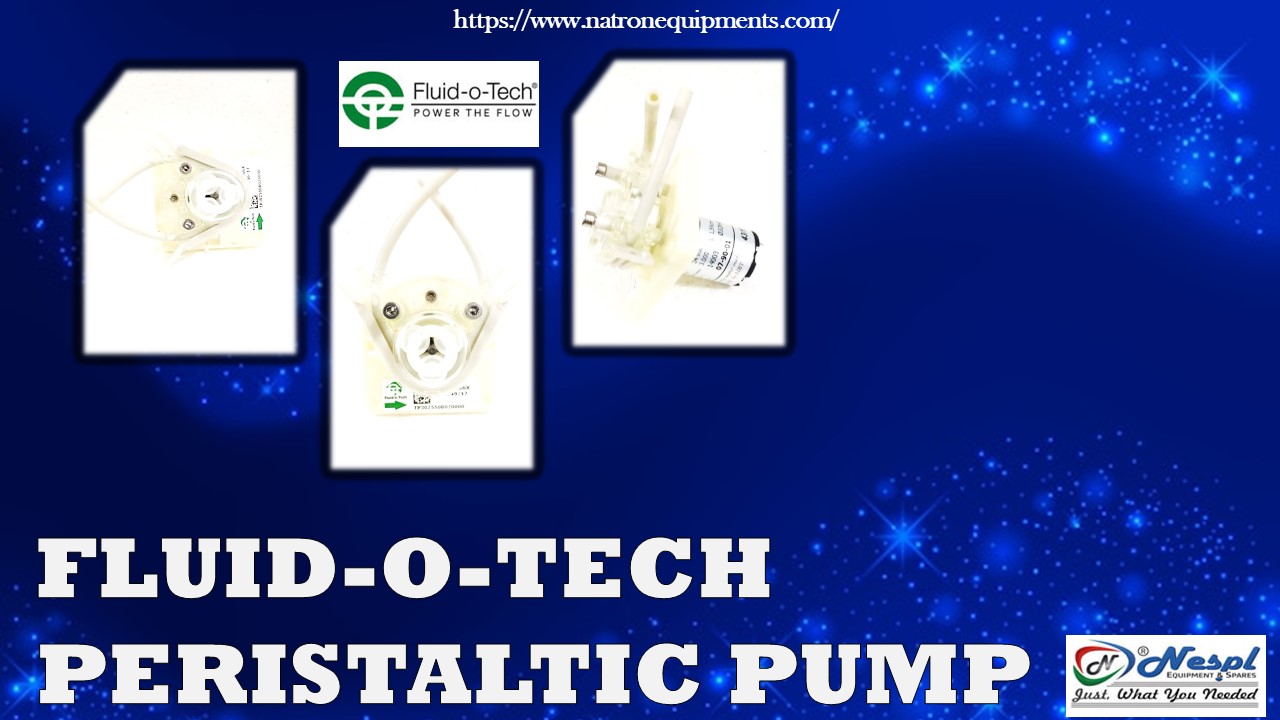
Peristaltic pumps are a type of positive displacement pump that effectively moves and pressurizes fluids by utilizing volume changes within a chamber. This blog will explore the world of peristaltic pumps, exploring their features, working principles, and various applications. By the end, you will understand this versatile pump technology.
What is a Peristaltic Pump?
A peristaltic pump is a positive displacement pump that operates based on changes in volume to transport and pressurize fluids. It offers a unique design without valves, seals, or glands, making maintenance easier and providing improved functionality. Peristaltic pumps are capable of handling liquids with a wide range of flow rates, ensuring continuous and uninterrupted fluid movement.
Features of Peristaltic Pumps:
Peristaltic pumps come with several noteworthy features that contribute to their popularity in various industries. These features include:
- Compact dimensions make peristaltic pumps ideal for environments with limited space.
- The flow rate of a peristaltic pump is directly proportional to its speed, enabling precise control over fluid delivery.
- Peristaltic pumps can be easily integrated into OEM equipment, simplifying the overall system design and implementation.
- A wide range of materials and tubing sizes are available for peristaltic pumps, ensuring compatibility with diverse application requirements.
- Tube changes in peristaltic pumps are quick and tool-free, allowing for effortless maintenance and operational flexibility.
Working Principles of Peristaltic Pumps:
Peristaltic pumps function by alternately deforming and compressing a flexible hose to transport fluids. This process, known as peristalsis, involves the following steps:
- The pump features rotors with rotating rollers that compress an elastic hose (commonly made of silicone, PVC, or other polymers).
- Compression of the roller creates fluid suction, generating a vacuum that propels the fluid towards the outlet.
- As the fluid passes the roller, the hose regains its original size and shape, preventing contact between the fluid and internal pump components.
- The self-priming design of peristaltic pumps effectively prevents backflow by occluding the hose, ensuring optimal sealing.
Applications of Peristaltic Pumps:
Peristaltic pumps find wide-ranging applications in industries that demand precise dosing and contamination-free fluid handling. Here are some main application areas:
- Medical and Analytical Fields: Peristaltic pumps are ideal for precise dosing and preventing contamination in medical and analytical applications.
- Industrial Sector: Industries such as inks, enamels, glues, paints, and varnishes benefit from peristaltic pumps’ precision and complete separation between the fluid and pump.
- Water Treatment: Peristaltic pumps are versatile in handling chemical substances and solid or dense liquids in water treatment applications without the risk of damage.
- Food and Beverage Industry: Peristaltic pumps are used for pumping, transferring, and dosing various products in the food and beverage industry, ensuring hygienic fluid handling.
Conclusion:
Peristaltic pumps offer unique features and advantages that make them suitable for a wide range of applications. Their ability to maintain precise dosing, prevent contamination, and handle various fluid viscosities has established them as a reliable pumping solution. Whether in medical, industrial, water treatment, or food and beverage settings, peristaltic pumps provide efficient and reliable fluid transportation.
By understanding the features, working principles, and applications of peristaltic pumps, you can make informed decisions when selecting a pumping solution that meets your specific needs.
If you are considering purchasing peristaltic pumps to meet your needs, NESPL provides a comprehensive range of options to cater to your specific requirements. We encourage you to explore NESPL’s offerings and choose the perfect peristaltic pump for your application.