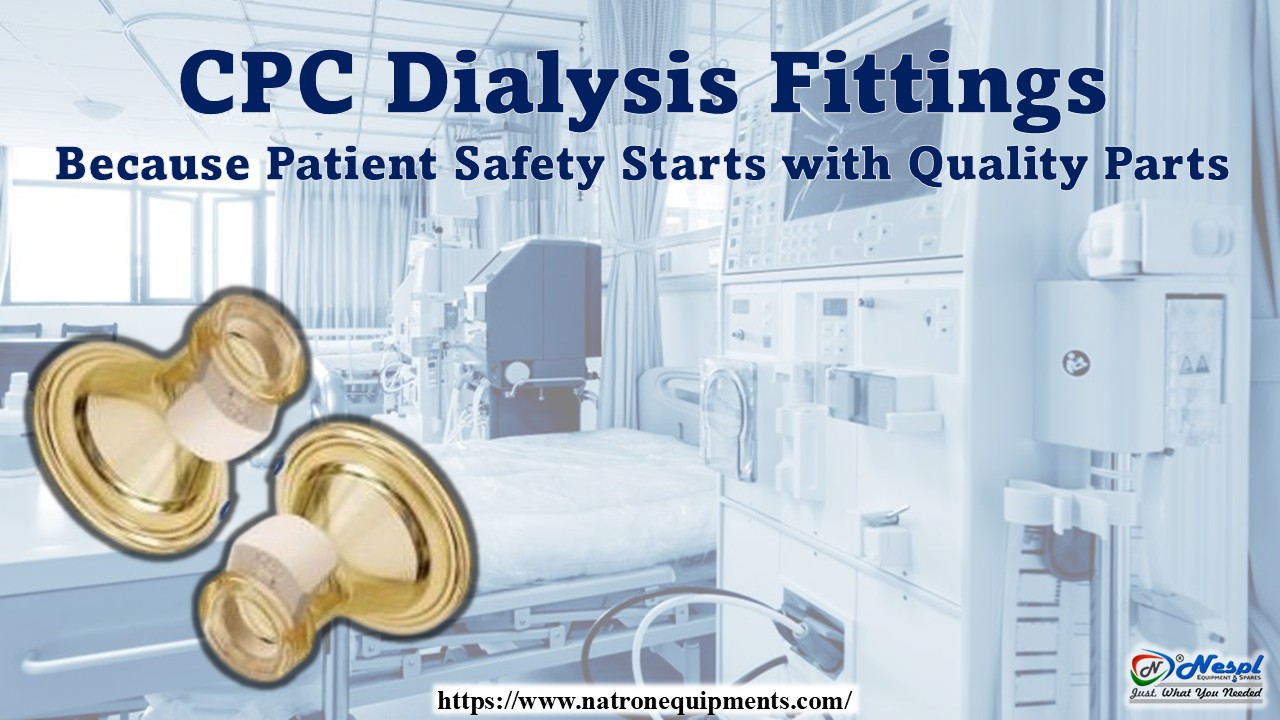
CPC dialysis fittings play a key role in medical equipment used for hemodialysis and other controlled fluid transfer systems. These fittings help maintain stable, leak-free connections, which is essential for patient safety.
A proper installation reduces the risk of contamination, prevents equipment wear, and keeps the system running reliably.
Here’s a simple, practical walkthrough for installing CPC dialysis fittings correctly.
What CPC Dialysis Fittings Are?
CPC dialysis fittings are quick-connect couplings designed for medical fluid lines. They allow fast, tool-free connections and disconnections, making routine maintenance easier while maintaining a sterile workflow.
Since they’re made from biocompatible materials, they’re suitable for hemodialysis machines, blood treatment units, and similar equipment where clean, controlled fluid pathways are required.
Their main advantages include:
- Secure, leak-tight connections
- Quick installation and removal
- Strong chemical resistance
- Compatibility with multiple tubing sizes
Tools and Materials You’ll Need
- CPC dialysis fittings (male and female)
- Medical-grade compatible tubing
- Clean, sterile workspace
- Isopropyl alcohol or approved cleaning solution
- PPE such as sterile gloves
And you should always follow the infection-control practices in your facility.
Installation Steps
- Inspection: Inspect the fittings and tubing carefully, and only use parts that pass a proper check. Look for cracks or any other visible damage, and make sure there’s no debris or contamination hiding anywhere. Take a moment to notice whether the tubing looks kinked, worn, or stressed in any way. If something seems off, treat it as a warning and set that piece aside.
- Preparation: Prepare the tubing by cutting it to the required length with a sterile tubing cutter, making sure the cut is clean to help prevent leaks. Keep the cut as straight as possible, smooth out any rough edges, and clean the ends with isopropyl alcohol if they look like they need it.
- Alignment: Align the fittings by first identifying the male and female CPC connectors, then positioning the tubing so it can slide onto the fitting smoothly. Make sure everything is oriented correctly and matches the equipment layout before you move forward.
- Insert the Tubing: Push the tubing onto the fitting until it reaches the internal stop. You shouldn’t need excessive force, steady pressure is enough and make sure the tubing sits evenly on the grip ring.
- Connect Male and Female Fittings: Align both ends and push them together until you hear or feel the locking click. Give a light pull to confirm the connection is secure.
- Check for leaks: You can do it by running a quick fluid test with saline or water and watching the connection as it flows. Keep an eye out for any drips, loose spots, or signs of uneven flow. If you notice a leak, disconnect the setup, inspect the parts, and reinstall everything so the seal is solid.
- Final Safety Check: Confirm that everything is oriented the way the equipment’s specifications require, and look over the tubing to be sure it isn’t twisted or pulled tight. Once the setup looks right, record the installation according to your facility’s protocol so the work is properly tracked.
Tips for Safe and Reliable Installation
- Follow CPC’s model-specific instructions
- Maintain a sterile environment
- Avoid reusing damaged or worn fittings
- Train staff consistently on correct handling
- Keep spare fittings ready for maintenance
Buy CPC dialysis fittings from a trusted supplier.
If your facility needs genuine CPC dialysis fittings, NESPL is an official supplier of CPC Products and provides certified components sourced directly from CPC. Using verified fittings helps maintain system reliability and prevents compatibility issues. If you need CPC products, you can get them from us.
Conclusion
Dialysis systems rely on steady, controlled fluid movement, and even small leaks or contaminants can disrupt treatment. CPC dialysis fittings are designed to keep connections stable in these demanding environments. Their quick-connect design reduces handling mistakes and makes routine maintenance easier for medical staff.
When these fittings are installed correctly and sourced from certified suppliers like NESPL, healthcare teams can keep their dialysis equipment running reliably and maintain the safety standards required for patient care.